
The last couple of weeks have been a bit of an “oh shit” moment for me.
Not in a bad way. More like one of those moments where you realise you’ve been doing things a certain way out of habit, not because it’s actually the best way. And when you see something better, you can’t unsee it.
I’m a digital marketer. I’ve been building websites for small businesses for 20 years. And right now, AI is changing how I work in a pretty significant way — not what I specialise in, but how I actually do it.
Here’s what’s shifted for me, and why I think it matters for you too.
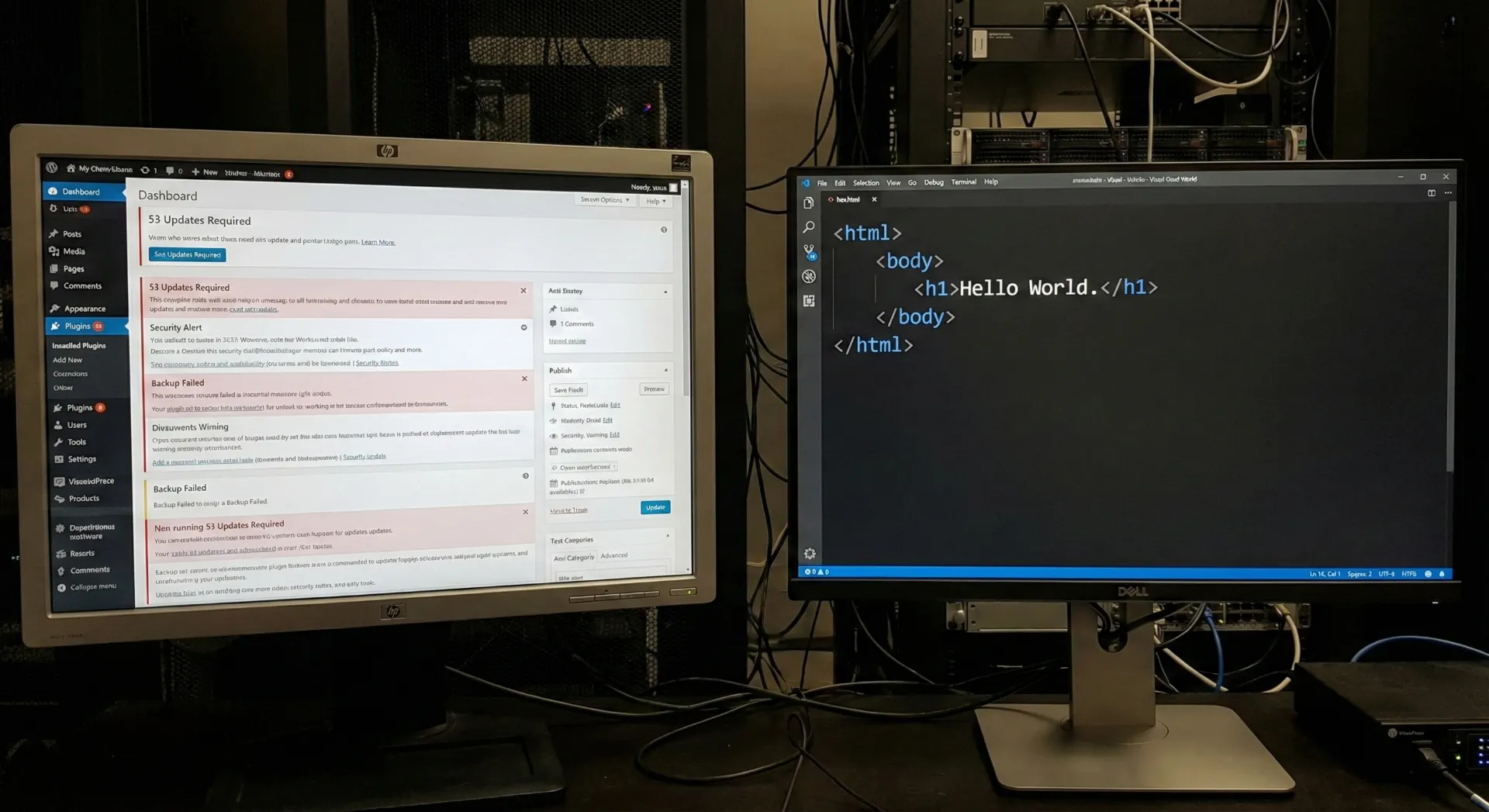
The WordPress Problem Nobody Talks About

WordPress has been my go-to for years. And honestly? It’s given me more headaches than it’s worth.
Here’s what I’ve noticed looking back at sites I built a few years ago:
- They’re bloated. Layers of plugins, page builders, themes — most of which don’t need to be there.
- They’re slow. All that extra code adds up.
- They’re a security nightmare. I’ve been hacked multiple times in the last 12 months. It’s the worst feeling, fighting bots and vulnerabilities for a system the client doesn’t even log into.
- They require constant maintenance. Plugin updates, database management, things breaking for no reason — it’s time I shouldn’t have to spend.
And here’s the kicker: 99% of my clients never update their own website. They never log into the admin, add testimonials, or change anything. So I’ve been building this complicated setup — with all the costs and risks that come with it — for something people don’t actually use.
That’s on me. And it’s what’s changed my thinking.
Enter Astro (and Why It’s a Better Fit)
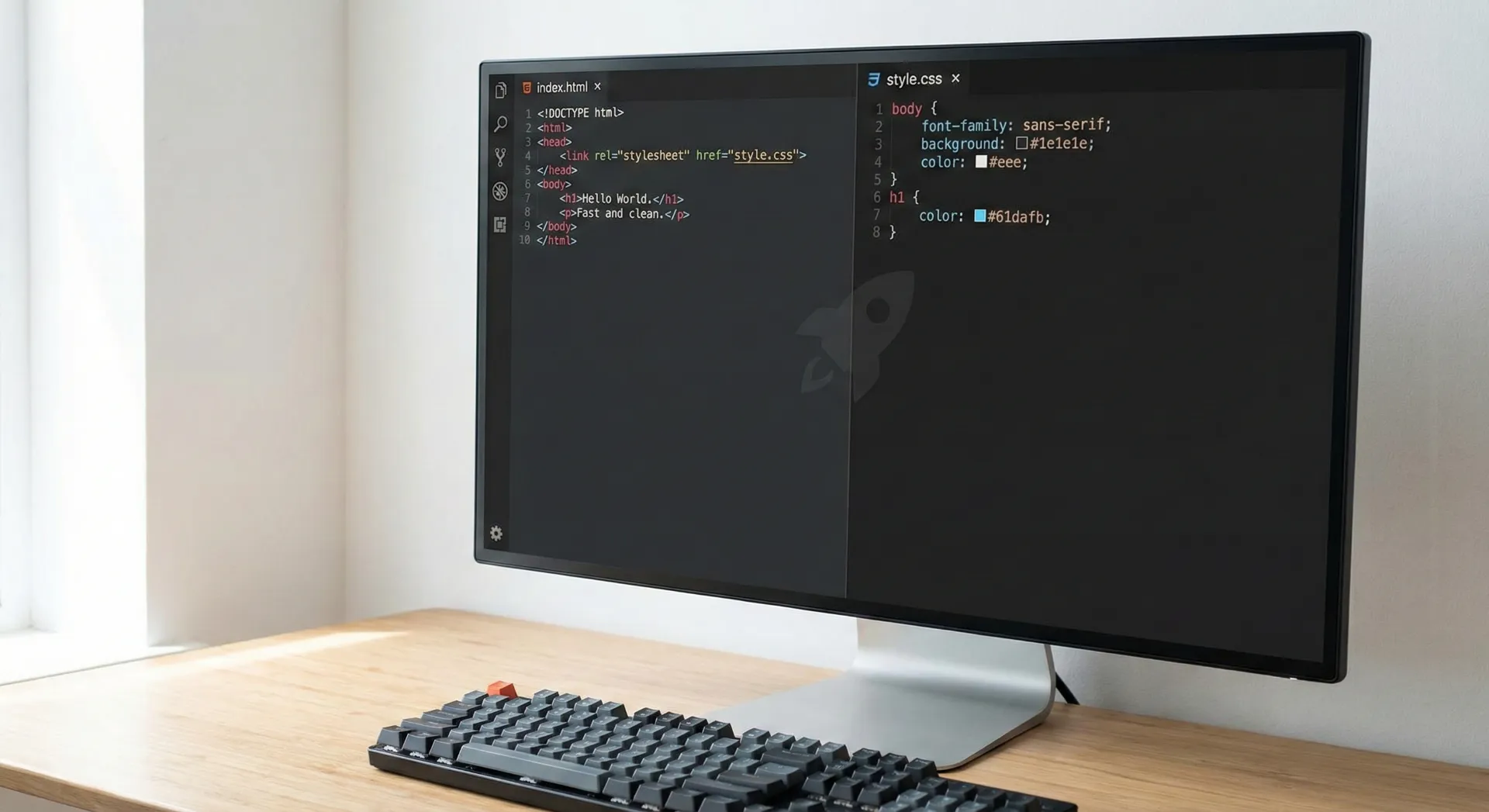
I’ve switched to Astro — a web framework built for content-driven websites.
In plain terms: you build the site locally on your computer, and what gets deployed to the internet is clean, simple HTML, CSS, and JavaScript. No database sitting there waiting to be exploited. No bloated plugin stack. Just fast, secure pages.
- Faster. Clean code loads quicker.
- More secure. No database, no CMS vulnerabilities.
- Less ongoing maintenance. Nothing to update or babysit.
- Cheaper to run. Simpler infrastructure.
If a client wants to make changes? They send me the content, I update it quickly. Problem solved — without needing an admin login they’ll never use anyway.
Where AI Comes In
Here’s where it gets interesting. Astro on its own is great. But paired with an AI coding tool? That’s where things get genuinely exciting.
I’ve been working with Claude Code and Google’s Gemini. Both can learn the Astro framework, read through documentation, and do a significant amount of the heavy lifting.
What this means in practice:
- I give it a design to replicate or a direction to follow.
- It sets up the Astro environment, creates the structure, and builds out the content.
- I review, direct, and refine — like a project manager working with a very fast developer.
- Changes are pushed to GitHub, which automatically deploys to the live site.
I built a full working website at leestoka.com in roughly a day. Not perfect — some placeholder stuff still to update — but a solid foundation that would have taken me significantly longer before.
Claude Code does a really good job generating clean layouts. Gemini is strong at replicating a design when you give it a screenshot or example to work from. Both are useful, depending on what you’re after.
AI Doesn’t Replace Knowing What You’re Doing

I want to be clear about something: this doesn’t replace knowing what you’re doing.
If you just ask AI to “make me a website,” what you get back is average at best. I’ve tried it. Everyone has. The quality comes from knowing how to direct it — what to ask for, how to structure the request, when to push back on what it produces.
You still need a clear idea of what you want to achieve, the expertise to know when something’s right or wrong, and the judgment to guide the tool toward a good outcome. AI works best when it’s in the hands of someone who knows their craft. It’s not a replacement — it’s a multiplier.
What This Means Going Forward
Big, expensive WordPress builds? I think their days are numbered — at least for the kind of clients I work with. Many of them are just expensive business cards anyway.
Where time and money used to go into building and maintaining complex CMS setups, it can now go into strategy, content, and actually thinking about what a business needs online. That’s a much better use of everyone’s resources, because usually, you’re solving the wrong problem when you just rebuild a site without rethinking the strategy.
For developers and marketers: if you’re not experimenting with this stuff yet, start. Not because it’ll take your job — but because if it’s helping you create more and better work, it makes your job more valuable, not less.
For business owners: the next time you’re quoted big money for a WordPress site with all the bells and whistles, ask whether you actually need all that. You might be surprised.
Look, I’ll be honest — there’s a bit of “oh shit” mixed into the excitement too. This is my livelihood. Watching AI get better at the technical side of what I do is confronting. But if I don’t pick this up and run with it, how do I get better? How do I grow?
The people who’ll struggle aren’t the ones who adapt. They’re the ones who wait too long to try.
Want to see how I’m using these tools? I’ll be doing more videos on getting started with Astro and working with AI in a real dev workflow. Get in touch if there’s something specific you want to see covered.
Did this article bruise your ego?
Good. If you're tired of running a business card website and want to build something that actually converts, let's talk.
Get a Reality Check